The Grid Collapse
A parasitic pathogen takes down the city's power network, cutting survivors off from ordinary energy.
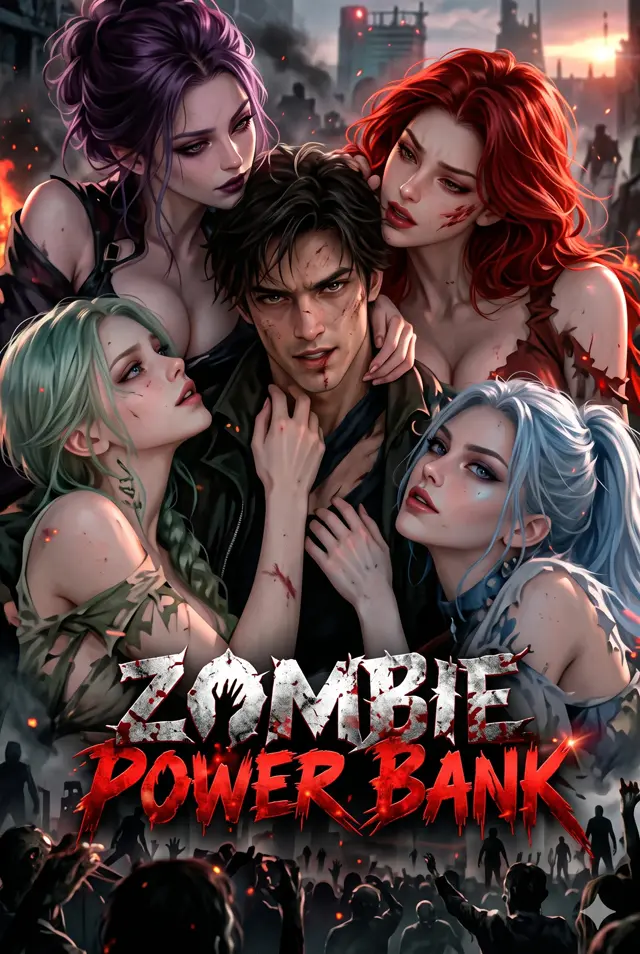 ep 01
Action · 36 episodes · ShortPeak
The grid is down and the dead are walking. A hardware fixer builds a portable lifeline that draws energy straight from captured undead — turning monsters into walking batteries.
Playback happens in ShortPeak's official player, in the browser. We link to nothing else.
A parasitic pathogen strikes, bringing down the city's electrical grid and raising the dead. Cut off from ordinary power, survivors face a wasteland where the undead roam and energy is scarce.
The premise turns the zombie trope on its head: the creatures are no longer only a threat but a usable resource. The series sits between post-apocalyptic survival and sci-fi horror, driven by resourcefulness under collapse rather than a central romance arc; each episode builds on what the device can and cannot do.
The protagonist is a hardware repairman who thinks in parts and circuits. Rather than wait for rescue, he invents a portable generator that harvests kinetic motion and bio-electric energy from captured undead, converting flesh-eating monsters into mobile, growling batteries. The opening episodes show the collapse, the shortage, and the first working device, in short roughly one-minute survival beats.
Series facts checked against the ShortPeak listing. Notes cover the opening episodes only; nothing here reveals the ending.
Moments from the opening run that set up the rest.
A parasitic pathogen takes down the city's power network, cutting survivors off from ordinary energy.
The outbreak reanimates the dead, who roam the ruins as flesh-eating threats.
A clever repairman survives by improvising from parts and circuits rather than weapons alone.
He builds a portable generator that harvests motion and bio-electric energy from the undead.
Captured zombies become walking, growling power sources that keep his camp running.
Written from the opening arc. These are editorial impressions, not audience scores.
The hook flips the zombie genre: the monsters become a portable energy source, which gives survival decisions a practical, engineering logic instead of a purely fearful one.
The early arc pairs the collapse with the first working device, so each episode answers a concrete problem — light, heat, mobility — rather than lingering on atmosphere; the resourcefulness angle is the show's main novelty.
Best for viewers who like zombie and post-apocalyptic survival stories with a resourceful, problem-solving lead; if you expect a straightforward scare fest, the device-driven premise softens the horror. Its distinguishing trait is the engineering twist that turns undead into energy, which keeps the short episodes grounded in practical survival choices.
More action shorts, or browse the whole shelf.