Episodes 1–8
Dumped for the Rich Heiress
The show opens on Harper being dumped for a rich heiress, which is the wound that makes the street-side proposal feel like a reflex rather than a romance.
 ep 01
Revenge · 35 episodes · YourChannel
Dumped for a rich heiress, she grabs a grimy mechanic off the street and says “Marry me” — expecting a basement, not a husband who quietly owns New York.
Playback happens in YourChannel's official player, in the browser. We link to nothing else.
The premise is a marriage of convenience built on a wrong assumption. Harper has just been dumped for a rich heiress, and on impulse she stops a grimy mechanic on the street and asks him to marry her. She expects the worst: a basement, a tight budget, and a long, uphill fight against an ex who has money and status on his side. The show treats that expectation as the setup, not the reality.
The series runs 35 episodes in English, with the opening stretch playable on the official YourChannel player. That opening stretch covers the public dumping, the street-side proposal, the early marriage, and the first times her bullies are taken down without her quite understanding why. The longer arc — when Harper finds out who her husband actually is, and how that changes the marriage — is left to the show rather than summarised here.
What the opening stretch does is let the wrong assumption run for as long as it can. Every time Harper is threatened, her bullies mysteriously go bankrupt or face jail time. The audience knows what Harper does not: the “poor” husband she married is Julian Sterling, the ruthless billionaire CEO who owns New York. The early episodes lean on that asymmetry — she thinks she is fighting her ex alone, while he is quietly arranging the world around her.
Series facts checked against the YourChannel listing. Notes cover the opening episodes only; nothing here reveals the ending.
Harper and Julian Sterling carry the opening arc.

Dumped for a rich heiress, Harper grabs a grimy mechanic off the street and tells him to marry her. She expects a basement life and a long fight against her powerful ex, and spends the early episodes puzzled by how conveniently her bullies start to collapse.

The grimy mechanic Harper marries on impulse. He is in fact Julian Sterling, the ruthless billionaire CEO who owns New York, and he is quietly arranging for anyone who threatens his new wife to go bankrupt or face jail time.
Four editorial picks from the opening marriage arc — the dumping, the street proposal, the early takedowns and the secret. No ending spoilers.
The show opens on Harper being dumped for a rich heiress, which is the wound that makes the street-side proposal feel like a reflex rather than a romance.
On the street, Harper grabs a grimy mechanic and says, “Marry me.” The opening episodes treat the proposal as a dare, not a plan.
Harper expects a life in a basement, fighting her powerful ex with nothing. The early marriage scenes lean into that expectation — she is braced for the worst.
Whenever Harper is threatened, her bullies mysteriously go bankrupt or face jail time. The opening arc lets the pattern build before she works out why.
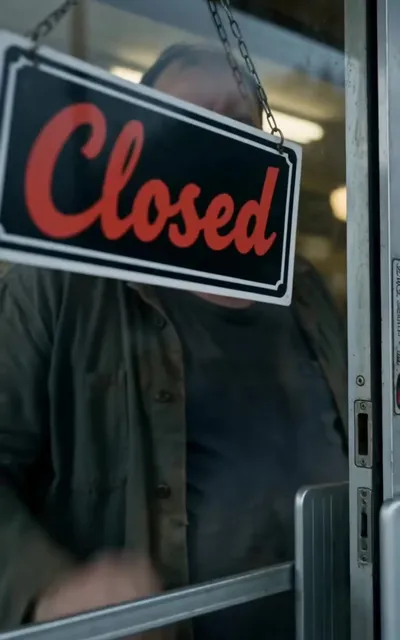
Captured from the opening episodes — not promotional art.





Written from the opening arc. These are editorial impressions, not audience scores.
The show runs on dramatic irony: the audience knows the husband’s real identity almost immediately, and the pleasure is watching Harper slowly notice that her underdog marriage is not what it looks like.
Harper is written as someone who expects to fight alone, which is what makes the quiet takedowns land. Julian’s power is treated as background noise rather than a superpower reveal.
Best for viewers who like hidden-billionaire romance, a heroine who proposes first, and a slow streak of revenge on the ex who dumped her. If you want a slow-burn meet-cute or a serious legal thriller, the early episodes stay light, procedural and grinny. The 35-episode run gives the gap between what Harper thinks and what is actually true time to stretch.
More revenge shorts, or browse the whole shelf.