Episode 1
The dinner that put him in a temper
Coached through greetings at the house, Elliot steps outside because he cannot bear another evening of cotton-yield talk, and finds Theodore in the garden.
 ep 01
Boys' Love · 33 episodes · YourChannel
On a 1800s plantation the young heir hides a forbidden affair with a man his father's estate holds — and when it is exposed, the punishment and the sale paperwork force one choice after another.
Playback happens in YourChannel's official player, in the browser. We link to nothing else.
It begins at an evening event where Elliot is coached to stand straight, smile and look Miss McKenny in the eyes; he slips away for air because the room's talk of cotton yields and running the estate has put him in a temper. In the garden he and Theodore are close, until an onlooker reminds him what his father would do if he knew what the young heir was doing with a man the estate holds. There is blood on Elliot's mouth, and he snaps that Theodore has no leave to move.
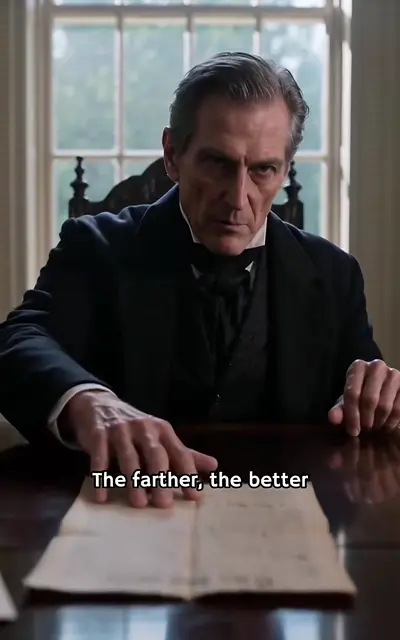
Episode five turns on the room search and the sale papers. Elliot is challenged over whether he can protect even the people the estate claims, then told to sign the document that sends Theodore away to Mississippi — farther the better, according to the father. Elliot protests that he is being made to choose and hand Theodore over himself, while the household warns that anyone who challenges the rules ends up sold off in the end.
Episode three brings the father's punishment. Norris, under the estate's order, makes the young heir kneel; the household sets lashes in turn, and whoever acts first shortens the other's punishment. The authority behind the room is Elliot's tyrannical father Samuel, who treats the estate's people as property to be disposed of.
Series facts checked against the YourChannel listing. Notes cover the opening episodes only; nothing here reveals the ending.
Elliot, Theodore and Samuel carry the opening arc.

The pale, quiet heir raised under Samuel's control, who escapes the cotton-talk dinners for the back garden and Theodore. The exposure puts him on his knees before his father, and the sale paperwork forces him to act against the only person he protects.
“"You are quite good at choosing for me." — episode 5”

A man held on the plantation, kept apart from the heir by the estate's hierarchy. The garden affair with Elliot is the only warmth he shows, and the sale papers are written to separate them across the deep South. (Note: the opening episodes offer no clean solo headshot for Theodore; the card uses the garden two-shot.)

The older master who enforces the cotton plantation's hierarchy, orders kneeling and lashes, and prepares the sale that sends Theodore away. He treats any challenge to the house rules as something that must be removed.
The opening arc moves from the dinner escape, to the garden exposure, to the kneeling punishment and the sale papers. Four editorial picks from episodes 1, 3 and 5 — no ending spoilers.
Coached through greetings at the house, Elliot steps outside because he cannot bear another evening of cotton-yield talk, and finds Theodore in the garden.
An onlooker warns Elliot what his father would do if he learned what the heir was doing with a man held on the property. The blood on Elliot's mouth makes the secret public.
Under the father's order, Norris makes the young heir kneel. The punishment is handed out in turns, with the first to act receiving fewer lashes.
Elliot is made to sign the document that sends Theodore away south, farther the better for the family. The household warns him that anyone who defies the rules ends up sold off.
Captured from the opening episodes — not promotional art.





Written from the opening arc. These are editorial impressions, not audience scores.
"The dinner-room etiquette and the garden night are cut against each other fast: a young heir coached to smile, then alone with the one person the estate forbids him to touch. The class pressure does the exposition without a narration over it."
"The kneeling punishment and the sale papers make the father the real antagonist of the opening arc. The tragedy sits in Elliot being made to sign the separation himself, which turns family hierarchy into a personal betrayal."
Best for viewers who like tragic historical boys'-love romance under a rigid period household, with forbidden attraction and paternal cruelty; if you want a light escape romance, the opening episodes stay on punishment, rules and separation papers. Compared with most period romance shorts, this one anchors the conflict in plantation hierarchy and a forced sale document rather than a modern arrangement — that focus is both its strength and its limit.
More boys' love shorts, or browse the whole shelf.