Episode 1
A Table Raised by Hands
The woman rebuilt the roof and fields while the men trained and set traps; the toast honors a safe home and a full table, and the group calls itself family rather than isolated settlers.
 ep 01
Action · 50 episodes · YourChannel
Cast out to a hard frontier plot, a small band clears the land together, carries their injured through the winter, and refuses to surrender the field a stranger claims by a stamped seal.
Playback happens in YourChannel's official player, in the browser. We link to nothing else.
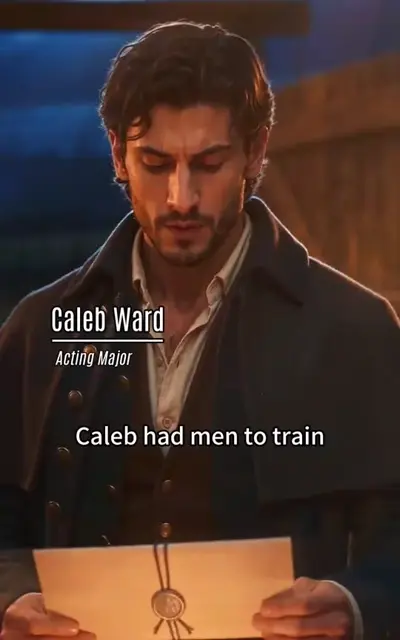
The first episode sets up the homestead as a working community rather than a single hero. Grain and traps compete for tomorrow's attention, Caleb has men to train, and the woman of the house has rebuilt the roof, the fields and most of the household; when someone praises the house, she deflects that she was not carrying it alone because they are family. The evening closes on a toast to a safe home, a full table, and everyone coming back to it, before the news arrives that something happened to Uncle Jacob at Miller Hollow.
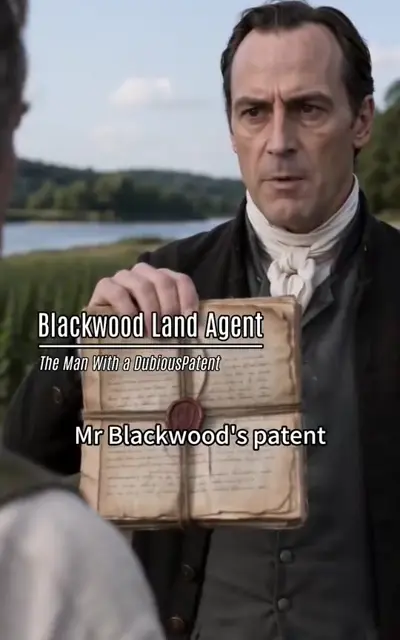
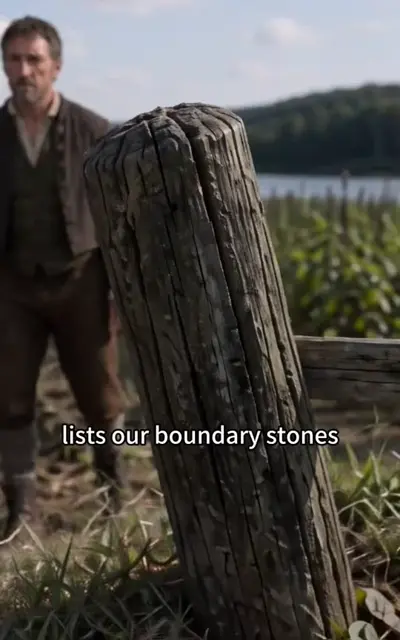
Episode six makes the land the antagonist. Blackwood's patent, recorded this month over the field that kept the community fed, demands the quit rent due now, with the deputy sheriff ready to enforce it. The homesteaders answer that the Millers cleared every ditch and row for thirty years, that a seal can be bought but work cannot be forged, and that a survey entry is not a final patent that erases decades of cleared soil; they warn the claimant off the land while recognizing that refusing the demand could lead to jail.
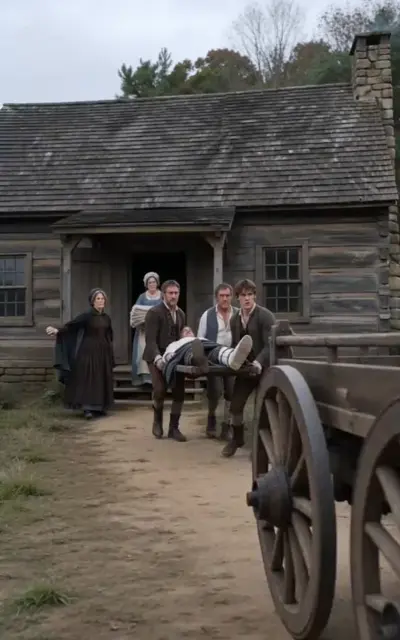
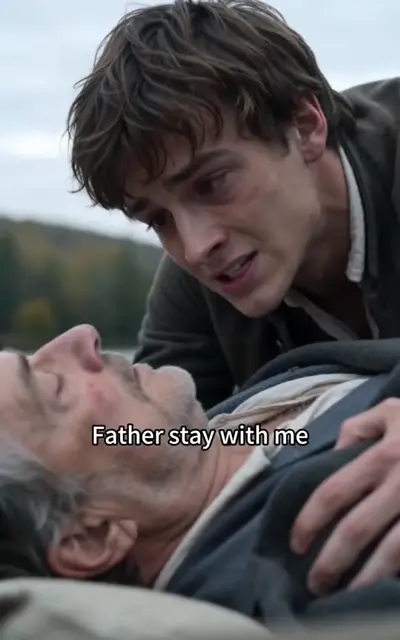
Episode four turns on the injured brother. The healer says the bone broke in a bad place and that even the first setting could run beyond the group's remaining winter money; Jacob asked them to leave the little they had for seed and food. The group rejects leaving him behind, argues that he was not fit to decide for everyone when delirious and half dead, and sets the wagon ready to move him out while someone says they have the money needed. The journey rides on keeping the leg level and driving fast and steady.
Series facts checked against the YourChannel listing. Notes cover the opening episodes only; nothing here reveals the ending.
Caleb and Thomas carry the opening arc.

Caleb has men to train before the trial crop comes in, alongside the trap lines set in the woods; he holds the household together on the work side while the community debates injuries, money and the disputed field.
“"Work cannot be forged." — episode 6”
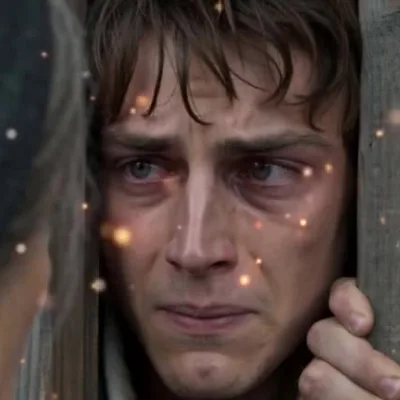
When Jacob's broken bone needs the healer, Thomas commits to the wagon ride that risks the last winter funds, insisting on keeping the leg level and driving steady rather than letting the family member die at home.
The opening arc moves from the shared supper and toast, to the injured brother's wagon run, to the patent standoff over the cleared field. Four picks from episodes 1, 4 and 6 — no ending spoilers.
The woman rebuilt the roof and fields while the men trained and set traps; the toast honors a safe home and a full table, and the group calls itself family rather than isolated settlers.
With the healer's quote beyond their winter savings, the group refuses to leave the injured brother behind; the wagon is prepared and the driver told to keep the leg level and ride fast.
The community answers a new patent with the land itself: every ditch and row was cleared over thirty years, and a stamped seal cannot erase the labor under their feet.
The other side warns that refusal can bring jail for farming their own field, while the homesteaders order the claimant off their land and prepare to argue the claim rather than surrender it.
Captured from the opening episodes — not promotional art.

Written from the opening arc. These are editorial impressions, not audience scores.
"The community portrait opens on work before drama: roof, fields, traps, training, one shared supper. The line about not carrying it alone grounds the frontier setting in mutual aid, which keeps the later decision to risk the wagon believable."
"The two conflicts are complementary: the wagon run tests whether the group spends its last resources on a person, and the patent fight tests whether labor counts against paper. The homesteaders answer both by acting as a family rather than isolated individuals."
Best for viewers who like period frontier survival, found-community loyalty and a land-rights argument rooted in actual labor; if you expect high fantasy worldbuilding or chase sequences, the opening episodes stay on homestead chores, a wagon ride and a field dispute. Compared with most survival shorts, this one trades spectacle for clearing, weather and stubborn community — that focus is both its strength and its limit.
More action shorts, or browse the whole shelf.