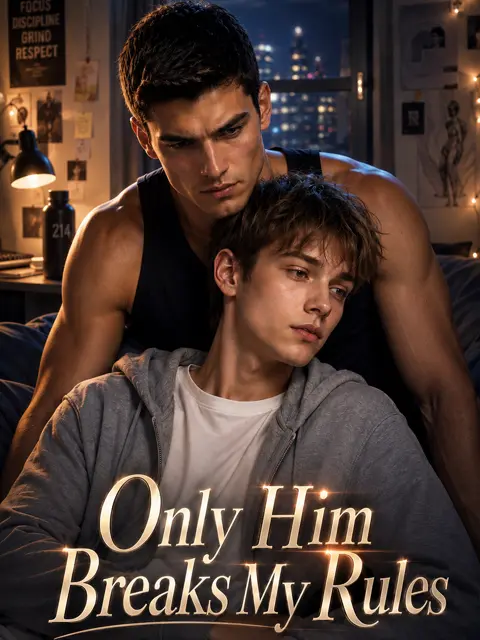
Episode 1
The Batch That Got Scrapped
Grant rejects the current models for heavy frames, overdone muscle, and a lack of sharpness, ordering the entire batch discarded and new ones brought forward.
 ep 01
Boys' Love · 65 episodes · YourChannel
A poor tailor's apprentice walks into a demanding Chicago fashion house for a steady job, only to be drawn into a private, high-pressure arrangement with its exacting owner.
Playback happens in YourChannel's official player, in the browser. We link to nothing else.
Episode one introduces Grant Ashford as the man who controls Chicago's demanding menswear scene: he scrapped a whole batch after rejecting its frame, muscle, and sharpness, ordering new models brought forward. Noah Miller, who sews performance costumes by day and hotel laundry by night, enters the same building determined to reach the job that can secure his brother's care and keep him out of an out-of-state foster system. His inner goal sets the stakes: get inside Ashford House, or lose the only chance he sees.
Episode four pushes the mismatch further: Grant describes the resident-muse role as calibration to skin temperature and scent, while Noah insists he came to be a tailor, never agreed to body testing, and notes the scheduled sensory tester was waiting outside the door. Off-stage pressures mount as Grant's former partner and the exclusive iris-root supplier angle for control of the collection, which gives the personal clash its business stakes.
Episode three replays the meeting as Grant bypasses the usual process; the collection is behind schedule and he prefers to source materials himself. He asks Noah to remove his jacket and begins taking measurements on the spot, overriding Noah's expectation of a standard assistant-tailor interview. The gap between what Noah applied for and what he is handed becomes the episode's friction.
Series facts checked against the YourChannel listing. Notes cover the opening episodes only; nothing here reveals the ending.
Noah Miller and Grant Ashford carry the opening arc.

A small-town seamer who works theater costumes and hotel linens, Noah carries his brother's custody expenses on his shoulders and brings precise pattern work to the interview. He keeps objecting when the job drifts far past sewing.
“"This is not the job I signed up for." — episode 4”

Openly out and unapologetically demanding, Grant runs the Chicago house with exacting standards, scraps whole batches he rejects, and makes his own calls when the schedule slips. His attraction to Noah collides with rivals trying to seize the new collection.
“"Scrap the whole batch. Bring me new ones." — episode 1”
Five picks from the opening arc: the rejected batch, Noah's reason for applying, the on-the-spot measuring, the role mismatch, and the outside rivals pressuring the collection. No ending spoilers.
Grant rejects the current models for heavy frames, overdone muscle, and a lack of sharpness, ordering the entire batch discarded and new ones brought forward.
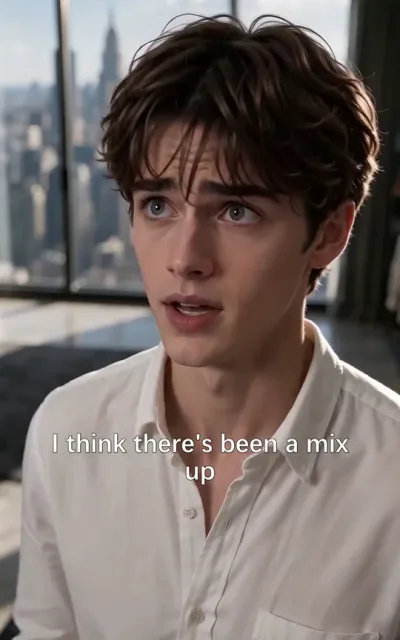
Noah applies to the dream house to cover his brother's rehabilitation and legal fight before the boy is sent out of state.
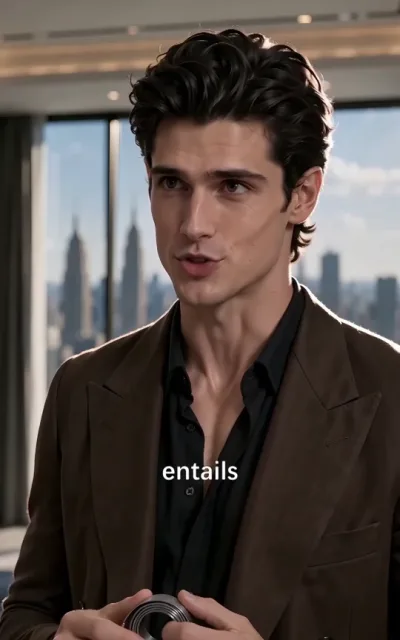
With the collection behind schedule, Grant skips the usual process and begins measuring Noah directly, turning the tailor-assistant interview into an intimate encounter.
Grant explains the muse role as scent and skin-temperature calibration, while Noah pushes back that he never agreed to any body testing and the true tester waits outside.
Grant's former partner and the iris-root supplier control access and materials, pressing their own claims on the collection while Noah is pulled deeper into the house.
Captured from the opening episodes — not promotional art.




Written from the opening arc. These are editorial impressions, not audience scores.
"The opening establishes the power dynamic cleanly: Grant as a decisive, no-second-chances boss, Noah as the applicant with a real external reason to stay. The fashion-house setting gives every rejection scene a concrete business edge."
"The interview turns intimate because the schedule and the muse role are both unusual, and Noah's resistance—saying plainly what he signed up for—keeps the lead balanced rather than passive."
Best for viewers who like slow-burn boys' workplace romance with a demanding-tyrant lead, a skilled underdog hire, and a fashion-house power struggle; if you want an equal, lighthearted meet-cute, the opening arc stays on pressure, measurement, and contractual friction. Compared with most office shorts, this one anchors the tension in tailoring, scent calibration, and a make-or-break salon show—that specificity is both its strength and its limit.
More boys' love shorts, or browse the whole shelf.