Episode 1
The Defiance Recalled
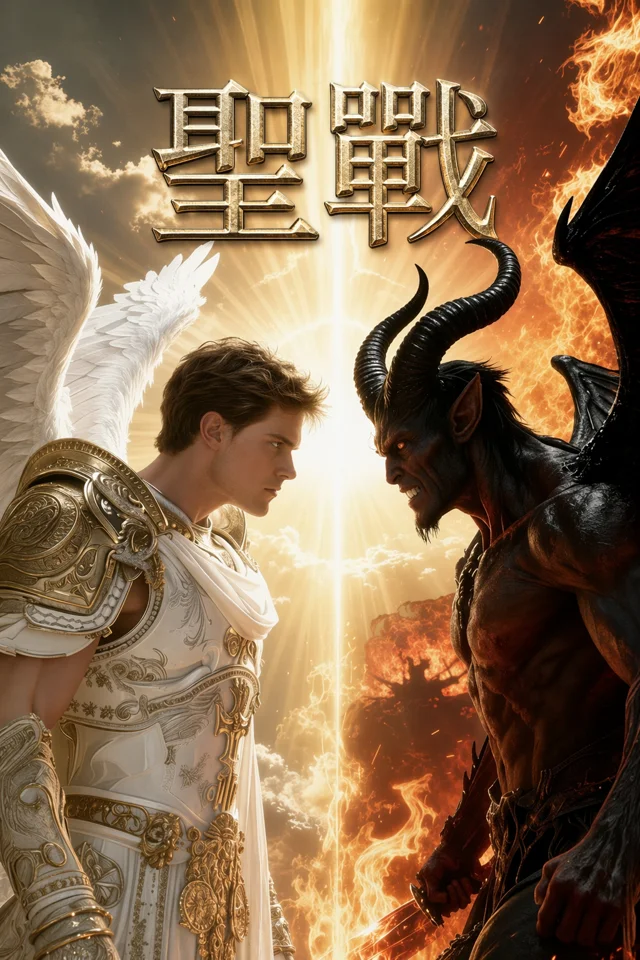
He recounts being the most radiant light yet ordered to serve fragile dust; while his brother Michael chose obedience, he chose to stand apart and show the kingdom his defiance.
 ep 01
Fantasy · 10 episodes · YourChannel
A rebellion splits the celestial hosts: one brother bowed to Heaven's order while the other was cast out, and the war over human souls reaches the earth itself.
Playback happens in YourChannel's official player, in the browser. We link to nothing else.
Episode one is the fallen brother's counter-narrative. He says history favors the victors, that he was once the most radiant light yet was expected to serve fragile dust, and that his brother Michael chose obedience while he chose to stand apart. When he showed the celestial kingdom his defiance, Heaven threw its strength against him and had to invoke the Father's own authority to bring him to a halt; he notes the two sides met again on earth, where Michael did not even dare to face him directly.
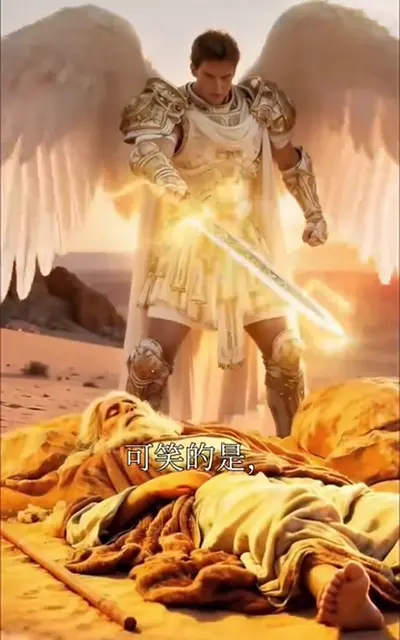
Episode ten moves the war to human history. Archangel Uriel, the herald of judgment, descends to Noah, the righteous man on earth; amid mockery and despair Noah follows the divine command and builds the final hope with massive timbers. A cleansing flood resets the earth and washes away the recorded sin, yet the narrator closes with the claim that seeds he planted remain even after the waters recede.
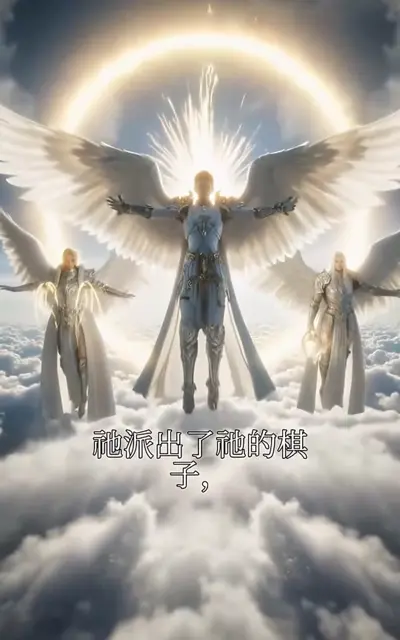
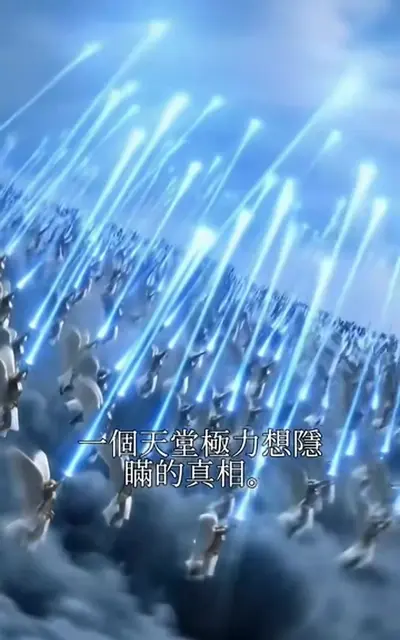
Episode six sharpens the scale of the conflict. He reflects that he was not the only being who dared defy, that what Heaven called corruption was in his telling closer to destruction, and that the heavenly side sent its army into the fray. He dismisses the watchers on the opposing ranks as amateurs, keeping the narration on the clash between angelic orders rather than a single skirmish.
Series facts checked against the YourChannel listing. Notes cover the opening episodes only; nothing here reveals the ending.
The Fallen Archangel and The Heavenly Elder carry the opening arc.

Once the most radiant light in the celestial court, he refuses the demand to serve fragile mortal dust and becomes the voice narrating the fall. He measures his brother Michael's obedience against his own defiance and frames the cosmic clash as a story the victors would rather hide.
“"My brother Michael chose to be an obedient puppet." — The Fallen Archangel, episode 1”

Representing the order that invokes the Father's own authority and sends the herald Uriel to earth, this elder figure stands for the heavenly hierarchy that responds to defiance with judgment and cleansing.
The opening arc moves from the fallen brother's account of the rebellion, to the clash of the heavenly ranks, to the descent of judgment on Noah's world. Four editorial picks from episodes 1, 6 and 10 — no ending spoilers.
He recounts being the most radiant light yet ordered to serve fragile dust; while his brother Michael chose obedience, he chose to stand apart and show the kingdom his defiance.
Heaven committed its full strength against him and had to invoke the Father's own authority to stop his advance, and he claims the later meeting on earth found Michael unwilling to fight him directly.
He reflects that others dared defy as well, that Heaven sent its army after the unrest, and he dismisses the watchers on the opposing side as amateurs rather than serious rivals.
Archangel Uriel, herald of judgment, appears to Noah the righteous man, who follows the command and builds the final hope with massive timbers while the world around him mocks and despairs.
Captured from the opening episodes — not promotional art.

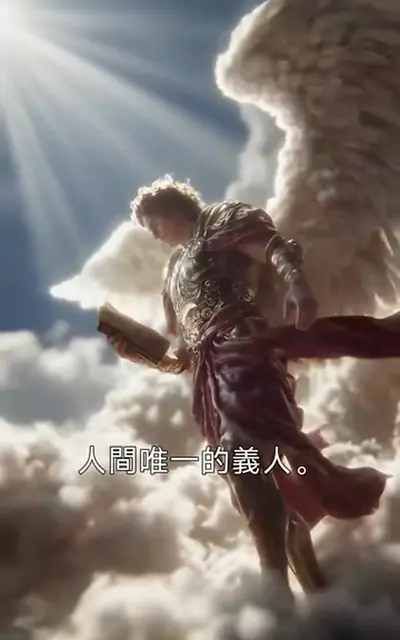
Written from the opening arc. These are editorial impressions, not audience scores.
"The opening works because it gives the losing side a voice: the radiant light who resents being told to bow, contrasted with a brother who obeys. The line about history being written by the winners frames every later battle as a dispute over who gets to tell it."
"The scale grows from a personal rivalry between brothers to armies in the clouds and then to a cleansing on earth. The Noah beat grounds the myth in a recognizable story, while the closing claim that seeds remain keeps the narrator's threat alive without revealing the finale."
Best for viewers who like celestial fantasy, angelic warfare and a mythic retelling with a defiant narrator; if you expect intimate romance or modern settings, the opening episodes stay on heavenly ranks, rebellion and the days of Noah. Compared with most myth shorts, this one leans on narration and spectacle rather than a large spoken cast — that focus is both its strength and its limit.
More fantasy shorts, or browse the whole shelf.