Episodes 1–8
The Dig That Opens a Door
A routine excavation on the Nile's west bank turns into a three-thousand-year displacement, and Layla arrives in Thebes with modern equipment and no way to explain any of it.
 ep 01
Second Chance · 60 episodes · YourChannel
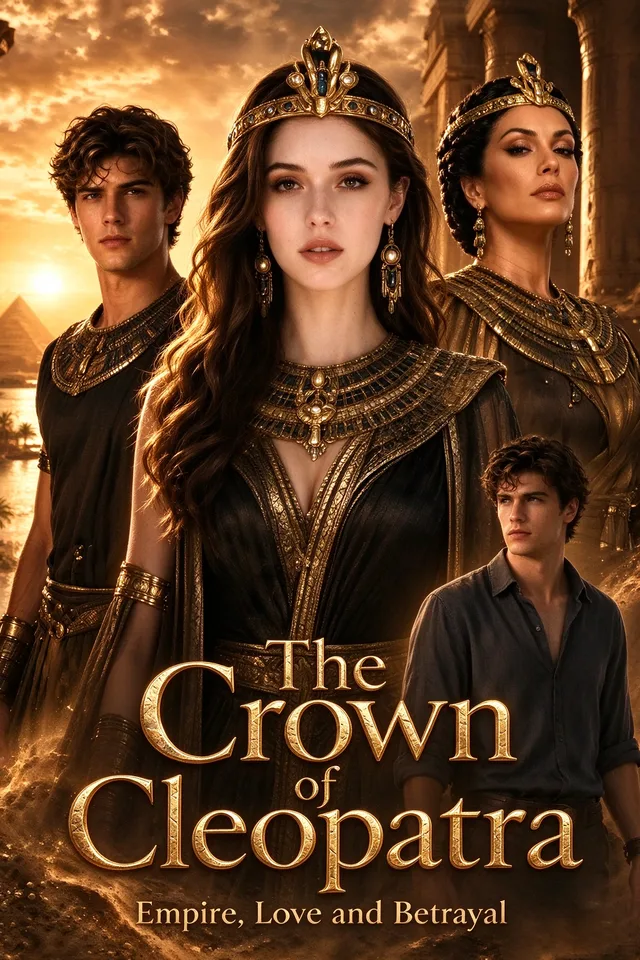
A modern archaeology student wakes three thousand years in the past, in a court that calls her a spy and a prince who needs her alive.
Playback happens in YourChannel's official player, in the browser. We link to nothing else.
The premise is a collision of two worlds. Layla comes out of a modern excavation with notebooks, instruments and a scientific habit of mind; Thebes answers with priests, court ritual and a sentence of sacrifice. She is not a chosen one and she is not a warrior — she is a student who has to explain herself in a language and a century that have no place for her, while a queen mother with real power decides whether her presence is an insult or a threat.
The series runs 60 episodes in English, with the opening stretch of the story playable on the official YourChannel player. That opening stretch stays inside the court: the accusation, the rescue, the first demonstrations of her science, and the two rival powers closing in. The later episodes carry the long arc of the romance and the question of where she finally belongs, which this page deliberately leaves to the show.
What keeps her alive is applied knowledge rather than destiny. The series has her read the land for groundwater, close a wound with suture technique, refine salt, and stage a rain-making optical illusion convincing enough that a whole city starts to treat her as divine. Each effect is built from ordinary science, and each one buys her a little more room inside a court that would rather see her dead. Ahmose, the sharp-tongued Third Prince, is the other half of that arrangement: he shields her because her usefulness is his leverage, and the negotiation between them carries the romance.
Series facts checked against the YourChannel listing. Notes cover the opening episodes only; nothing here reveals the ending.
Layla, Ahmose and The Queen Mother carry the opening arc.

An American student on a dig at the Nile's west bank who sets off an ancient curse and lands in the court of Thebes three thousand years early. Branded a spy and sentenced to be sacrificed, she survives on geology, medicine, chemistry and psychology rather than on any gift the court would recognize.
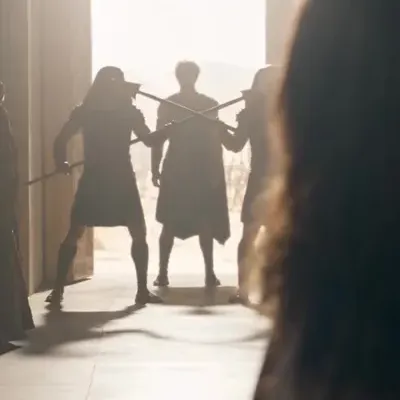
The prince who pulls Layla out of a death sentence, not out of charity but because her knowledge is worth more to him alive. Sharp-tongued, calculating and exposed on his own side of the succession fight, he becomes her protector and her hardest negotiation.
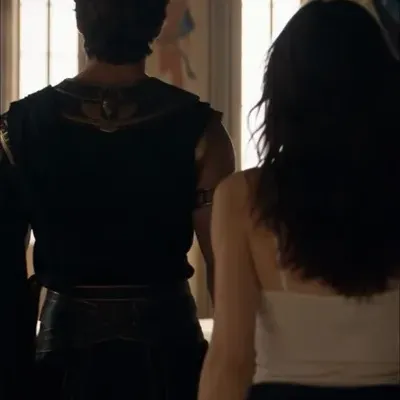
The court's dominant political force and the reason a foreign woman in strange clothes is a problem worth solving permanently. Her hostility sets the pace of the opening arc: every demonstration Layla stages is measured against what the queen mother will allow.
Four editorial picks from the opening stretch of the court arc — the accusation, the rescue and the first demonstrations. No ending spoilers.
A routine excavation on the Nile's west bank turns into a three-thousand-year displacement, and Layla arrives in Thebes with modern equipment and no way to explain any of it.
Her clothes, her tools and her accent read as foreign intelligence rather than as time travel, and the court's answer is a sentence of sacrifice — the stakes established before any romance begins.
Ahmose stops the sentence because he has calculated what she is worth. The rescue is a transaction from the first minute, which is what makes the later negotiation between them watchable.
Groundwater, a closed wound, refined salt and a staged rain illusion: each modern method is read by the city as proof of the divine, and each one moves Layla a step further from the sacrificial altar.
Captured from the opening episodes — not promotional art.

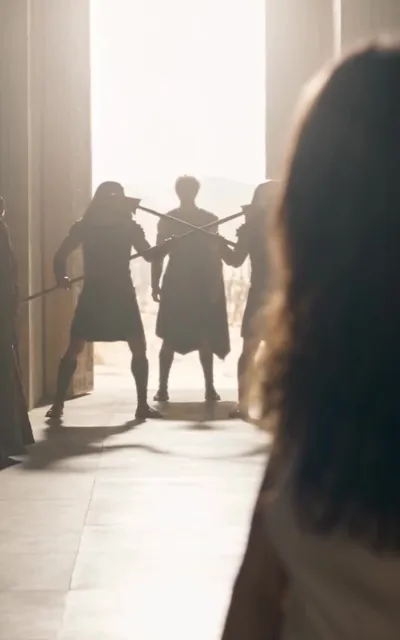
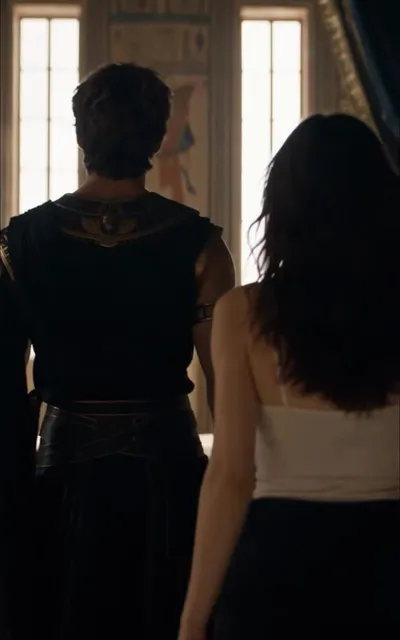
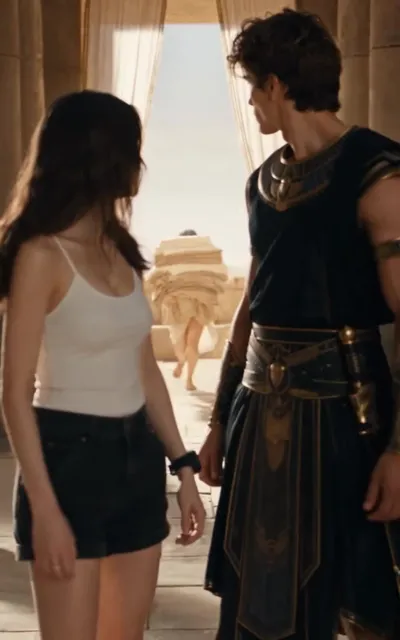
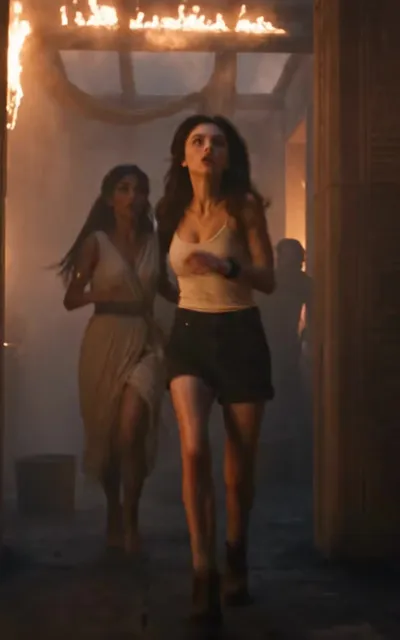

Written from the opening arc. These are editorial impressions, not audience scores.
The hook works because the fantasy is not the time travel but the competence: a student with a modern toolkit in a court that has never seen a microscope. The series is careful to keep every miracle explainable, which keeps the tension in the politics rather than in the magic.
Ahmose is written as an ally with an invoice attached, and that is the strongest choice in the opening stretch. The queen mother supplies a real antagonist with institutional power, so the romance has to survive inside a succession fight instead of floating above it.
Best for viewers who like time-travel romance with a competence-driven heroine, palace politics and a slow negotiation between two people who each need the other's usefulness. If you want instant grand romance or pure fantasy magic, the opening episodes stay closer to survival, court procedure and applied science. The Egyptian setting and the science-as-miracle device give it a distinct texture among short-form historical dramas.
More second chance shorts, or browse the whole shelf.