Episodes 1–8
After Hours
A group of young strangers are in a huge IKEA-style furniture mall after closing, out for a late-night casual hang that they assume will end like any other.
 ep 01
Thriller · 44 episodes · YourChannel
A late-night hangout in an IKEA-style furniture mall turns into a deadly labyrinth when the store locks them in after closing.
Playback happens in YourChannel's official player, in the browser. We link to nothing else.
The premise is a single location going wrong. A group of young strangers is in a huge IKEA-style furniture mall after hours, what the logline calls a late-night casual hang. The show's first job is to flip the setting: the shopping space, normally warm and orderly, becomes an endless, confusing labyrinth that does not let them leave.
The series runs 44 episodes in English, with the opening stretch playable on the official YourChannel player. That opening stretch covers the after-hours hang, the moment the mall stops behaving like a mall, and the first survival choices the strangers have to make. The later episodes carry the long arc of how the labyrinth works and who gets out, which this page leaves to the show.
The horror is domesticated. The official logline names the set dressing the show is going to turn against them: showrooms, wardrobes, sofas and narrow aisles. Each one becomes either a hiding spot or a death zone, which means the show is staging survival beats inside the furniture arrangements people normally walk through on a Saturday afternoon.
Series facts checked against the YourChannel listing. Notes cover the opening episodes only; nothing here reveals the ending.
The Strangers, The Mall and The Labyrinth carry the opening arc.

A group of young strangers inside a huge IKEA-style furniture mall after hours, out for a late-night casual hang that becomes a deadly trap. The official synopsis does not name individual characters; the opening arc treats them as a group forced to figure out what the mall has become.
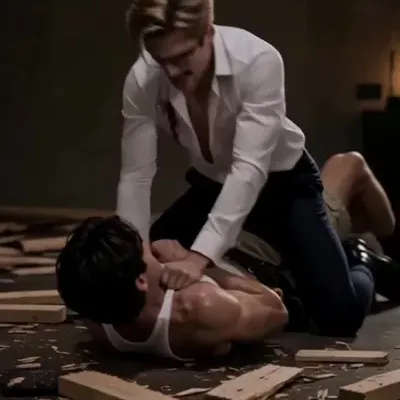
The IKEA-style furniture mall itself: normally warm and orderly, after closing it mutates into an endless, confusing labyrinth. Showrooms, wardrobes, sofas and narrow aisles become both hiding spots and death zones.
The show's central device: the store stops behaving like a store and starts behaving like a maze. The opening arc is the strangers' slow realization that the building they are in has its own logic, and that the aisles they walked through for fun are now the only terrain they have to survive on.
Four editorial picks from the opening stretch — the after-hours hang, the mall turning, the domesticated set dressing, and the first survival choices. No ending spoilers.
A group of young strangers are in a huge IKEA-style furniture mall after closing, out for a late-night casual hang that they assume will end like any other.
The warm, orderly shopping space mutates into an endless, confusing labyrinth, and the strangers have to realize they are not in a store anymore.
The show turns the familiar furniture-mall vocabulary into survival terrain: showrooms, wardrobes, sofas and narrow aisles become hiding spots and death zones.
The opening arc ends on the strangers starting to work out what the labyrinth expects of them, without yet learning how the trap works or who is behind it.
Captured from the opening episodes — not promotional art.

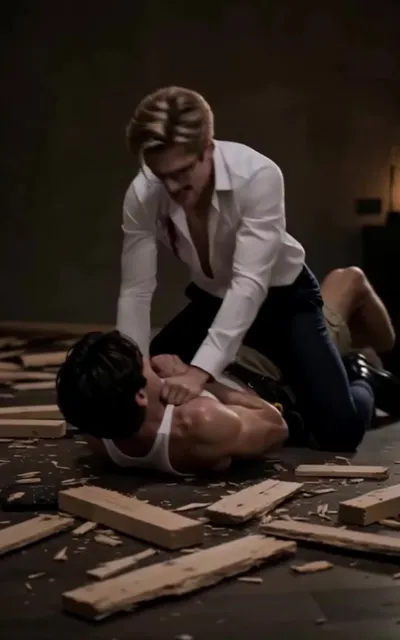



Written from the opening arc. These are editorial impressions, not audience scores.
The show's whole premise is a location going wrong. The IKEA-style mall is a space audiences already know, which is what makes the showroom-turned-death-zone beat land: the fear is not the unknown, it is the familiar.
The synopsis is blunt about the genre: a late-night hang becomes a terrifying deadly trap. The opening arc treats the mall as an antagonist with a logic the strangers have to learn, rather than a mystery with a human villain in the first minutes.
Best for viewers who like survival thrillers built around a single trapped location, a group of strangers and a domesticated set dressing turned against them. The 44-episode run gives the labyrinth room to keep reshaping itself, so the opening stretch is atmosphere and disorientation before it is explanation. If you want a character-driven ensemble piece with named backstories up front, the official synopsis stays on the trap rather than on the people inside it.
More thriller shorts, or browse the whole shelf.