Episode 1 · The Rebirth
Irene wakes on the very day of the wreath throw. "I have returned to three years ago. In this life, I have mastered my fate." The board has reset, and Eris is about to repeat her old move.
 ep 01
Hidden Identity · 48 episodes · SagaBox
Reborn to the day of the wreath toss, she lets her laurel land on a beggar everyone laughs at — but the ragged man is a god.
Playback happens in SagaBox's official player, in the browser. We link to nothing else.
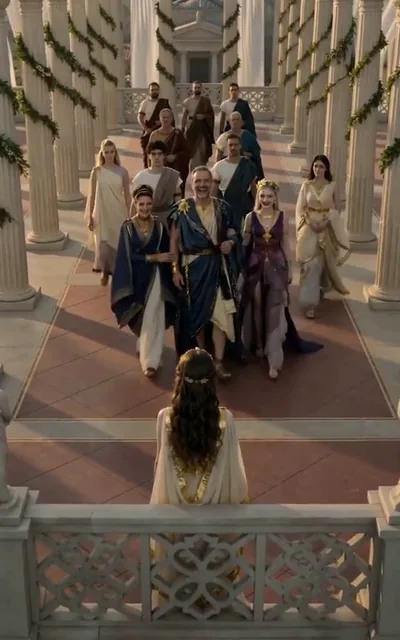
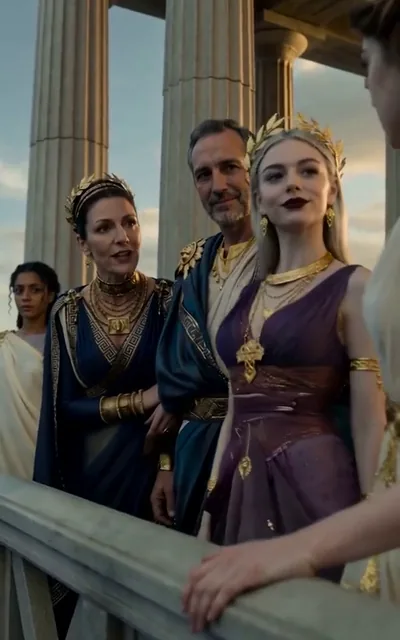
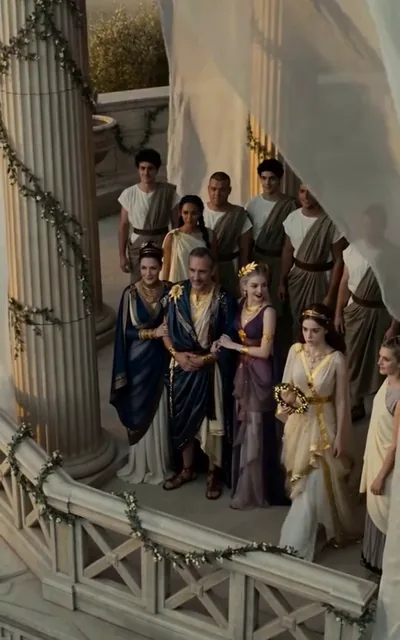
The ceremony opens with Irene being honored as a virtuous wife — and the wound is fresh. Her half-sister Eris cannot let it go: they threw their rings at the same time, so why did Eris end up with a beggar while Irene got glory? The family has already decided which daughter brings honor: the house of Demetrius only weds the highborn, and the one who lands the better match brings glory.
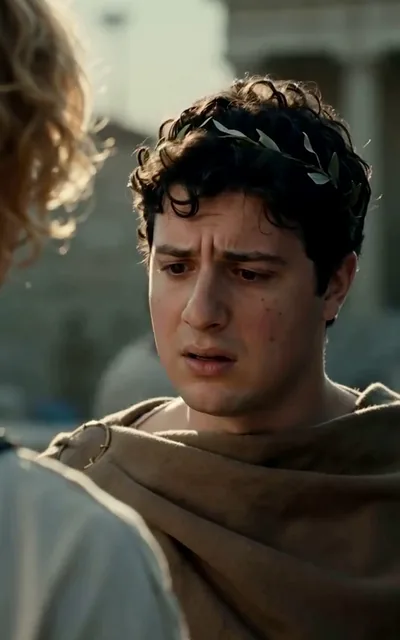
When Irene's laurel lands on the ragged minstrel, the court erupts: she rejected the elite of Athens only to throw her future to a lowly beggar. But the beggar calmly explains the god's law — the laurel is Apollo's decree, and to refuse it is to bind one's fate. Irene chooses him anyway. The family threatens her with city law and humiliation, but the beggar beside her is no beggar at all.
Irene has woken three years in the past — to the very day of the wreath throw. Her inner voice is cold with intent: in this life she has mastered her fate, and she means to be the High Priestess, taking back wealth, glory, and love that were stolen. She watches Eris move to throw first, as she did before, and lets the board reset.
Series facts checked against the SagaBox listing. Notes cover the opening episodes only; nothing here reveals the ending.
Irene, Apollo and Eris carry the opening arc.

Dark-haired, gold-chained, a priestess's poise under her family's scorn. In her past life she was offered up for power; this time she chooses peace over glory and says "I'll marry him" once, and means it.

Blond, laurel-crowned, majesty leaking through deliberately worn rags. A lord in disguise insists the older the rags, the less attention they draw — and his companion notes even in rags he carries the majesty of a king. He walks among mortals as a beggar on purpose.

Blonde, golden, crowned — the family's favorite. In the old timeline she landed the divine-blooded match; in this life she watches Irene upend the whole arrangement and seethes.
Moments from the opening run that set up the rest.
Irene wakes on the very day of the wreath throw. "I have returned to three years ago. In this life, I have mastered my fate." The board has reset, and Eris is about to repeat her old move.
A lord insists on older rags to draw no attention. His companion: "Even in these rags, you still carry the majesty of a king. These mortals aren't even worthy to stand in your shadow."
Irene's wreath lands on the beggar. The court mocks: she rejected the elite of Athens only to throw her future to a lowly minister. The beggar only shrugs and explains Apollo's decree.
Family and city law threaten to hold her to the oath. Irene's answer is one line: she would sooner wed a ragged minstrel and find some simple peace.
Captured from the opening episodes — not promotional art.





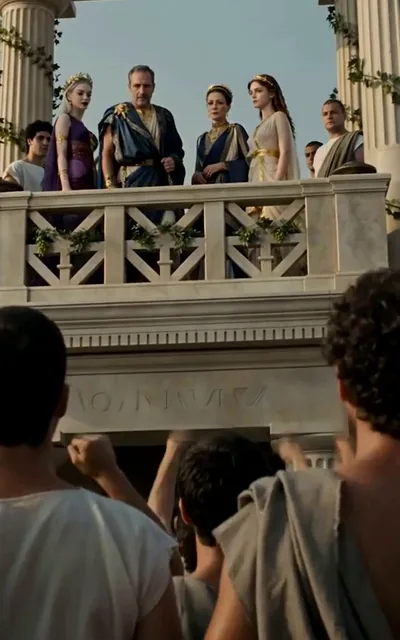
Written from the opening arc. These are editorial impressions, not audience scores.
The hook is the rebirth reset, not a slow courtship: Irene wakes on the exact day of the wreath throw, and the whole first arc is her deliberately choosing the match everyone calls ruin.
Irene is a strategist, not a victim — she names the old-life sacrifice, refuses the golden shackles of family glory, and means it. Apollo looks like a king hiding under rags rather than a joke husband.
Best for viewers who like historical Greek-myth romance with a reborn strategist heroine and a god-in-disguise lead; if you want a grounded period romance, the laurel-as-decree fantasy device is literal. Compared with most rebirth shorts, this one pairs the reset with mythology rather than modern revenge — that tone is both its strength and its limit.
More hidden identity shorts, or browse the whole shelf.