Episodes 1–10
The Nameless Servant
A girl arrives at Versailles with no name the court will recognize, and the fable is established as a trap: a servant whose every comfort can be revoked at midnight.
 ep 01
Revenge · 80 episodes · YourChannel
In Versailles the stroke of twelve steals everything from a nameless servant girl — and she decides that same hour is when she starts taking it back.
Playback happens in YourChannel's official player, in the browser. We link to nothing else.
The premise is a Versailles Cinderella inverted. The official setup casts a nameless servant girl against the clock of a royal court, and the fable imagery — midnight, the stroke of twelve, a girl with no standing — is not decoration. It establishes that every comfort she is allowed can be revoked at the hour, and that the only leverage she has is the one thing the court cannot quite explain away: who she really is.
The series runs 80 episodes in English, with the opening stretch playable on the official YourChannel player. That opening stretch stays inside the Versailles setup: the girl's nameless status, the midnight that takes everything, and the first moves toward reclaiming what was stolen. The later turns of the court fight and where the claim finally lands are left to the show itself.
The emotional engine is the reversal of the rescued heroine. The official description frames a man who burned his whole life to keep her alive as the figure she is ultimately fighting to reclaim, which puts the romance on the side of loyalty that has already cost him everything. From there the opening arc is about a servant deciding, at the worst possible hour, to convert her own humiliation into a claim — on her name, her blood and a crown the court assumed she would never reach for.
Series facts checked against the YourChannel listing. Notes cover the opening episodes only; nothing here reveals the ending.
Four editorial picks from the opening Versailles setup — the nameless arrival, the midnight that takes everything, and the first decision to take it back. No ending spoilers.
A girl arrives at Versailles with no name the court will recognize, and the fable is established as a trap: a servant whose every comfort can be revoked at midnight.
Midnight does what the fairy tale promises — it takes everything. The opening arc turns that loss into the exact hour she decides to stop enduring.
A man who burned his whole life to keep her alive is introduced as the figure worth reclaiming, which anchors the romance in loyalty that has already cost him everything.
From a nobody, the first moves convert humiliation into a claim — on her name, the bloodline that was hidden, and a crown the court assumed she would never reach for.
Captured from the opening episodes — not promotional art.

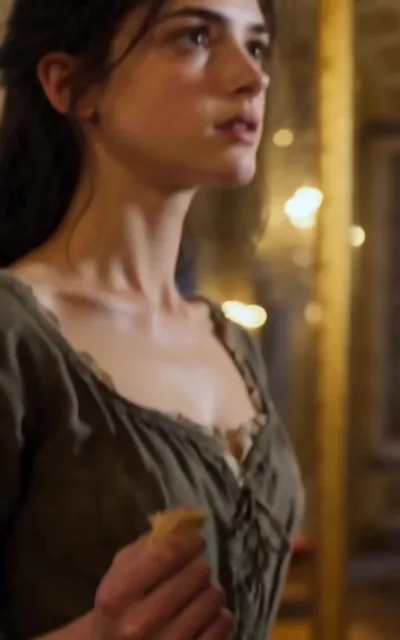




Written from the opening arc. These are editorial impressions, not audience scores.
The strongest choice is treating Cinderella imagery as a weapon rather than a wish: the midnight that should end the ball is the hour the heroine starts the reckoning. It keeps the fable texture while refusing the usual rescued-heroine ending.
Versailles supplies the cold institutional backdrop, and the romance is written as loyalty already spent — a man who burned his life for her before the story really begins. That gives the reclaim arc a personal debt to pay, not just a throne to climb.
Best for viewers who like Versailles-period fairy tales turned into revenge, a heroine who starts with nothing but a name, and a romance built on loyalty that has already cost someone everything. If you want a light Cinderella wish-fulfillment tone, the opening arc is closer to a court reckoning than to a ballroom dream. The midnight-as-turning-point device gives it a distinct hook among short-form royal dramas.
More revenge shorts, or browse the whole shelf.