Episode 1
The Dinner That Ends Five Years
Noah's partner says she is done struggling through life with him; the breakup clears space for the appraisal trial that begins the next morning, the small toolbox, and the hidden prototype watch.
 ep 01
Revenge · 40 episodes · YourChannel
Cast aside after five years for being poor, Noah wakes to an appraisal vision that spots what everyone else overlooks — and builds from zero.
Playback happens in YourChannel's official player, in the browser. We link to nothing else.
The opener pairs a breakup with a system-style activation: after years of struggling and being humiliated over a restaurant-switch request, Noah hears that the appraisal trial starts at eight in the morning. The rules he receives are concrete — a blue toolbox holds a concealed prototype watch, the trial rewards a startup fund and permanent Appraisal Vision if he reaches the target within a day, and the final line promises that soon others will be the ones looking up at him.
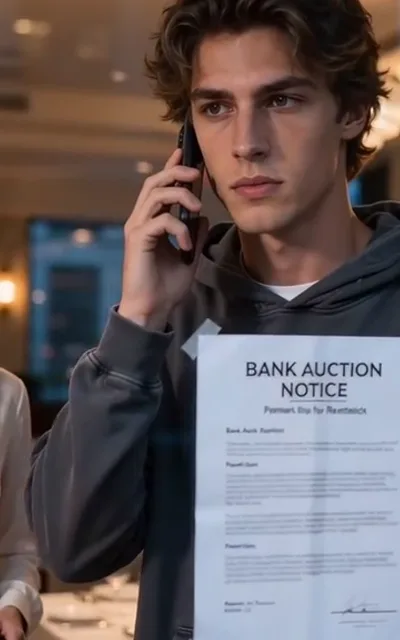
Episode seven adds a closing notice: a disputed signature tied to an old renovation permit, an auction threat with a short deadline, and a wall leaning on cash pressure. Noah answers the deadline with two days, planning to make the property impossible to book away — the first public test of whether the appraisal eye can protect more than a personal stake.
Episode four takes the vision into due diligence. Denied a table at the restaurant until he can show an investment account, Noah asks for the vendor summary, debt schedule and liquor license files instead, gives himself fifteen minutes, and finds abnormal spending across three months, a shell-company vendor, and a place being bled rather than beaten by its market. The diagnosis flips a rejection into an investment conversation.
Series facts checked against the YourChannel listing. Notes cover the opening episodes only; nothing here reveals the ending.
Noah carry the opening arc.

Written off after years of struggle, Noah switches from being defensive at the dinner table to reading situations precisely once the appraisal trial activates. He studies physical finds, interrogates business records for hidden leaks, and turns a rejected meeting into a proposed investment.
“"You're not failing because business is bad. Someone is bleeding this place." — Noah, episode 4”
Four opening beats: the breakup, the appraisal trial, the restaurant books, and the closure deadline. Later fortunes are left undiscussed.
Noah's partner says she is done struggling through life with him; the breakup clears space for the appraisal trial that begins the next morning, the small toolbox, and the hidden prototype watch.
The trial frames a day-long objective: reach the target using hidden finds to earn a startup fund and permanent Appraisal Vision, with the note that those who once dismissed him will soon look up.
Refused a table on account minimums, Noah requests the vendor summary, debt schedule and liquor files, then flags abnormal spending across three months and a shell vendor eroding the business from inside.
A closure order signed from an old permit and an auction deadline force a hard clock; Noah asks for two days and sets out to make the property impossible to walk away from.
Captured from the opening episodes — not promotional art.



Written from the opening arc. These are editorial impressions, not audience scores.
"The genre move here is to let the breakup finish quickly and hand the screen to the activation rules — the toolbox, the prototype, the timer. That contrast keeps the underdog setup from lingering in self-pity."
"The business beats stay concrete: files requested, spending lines flagged, a notice countered with a clock. The appeal is the diagnosis scene rather than broad wealth fantasy; episode seven raises the stakes to property survival."
Best for viewers who like underdog comeback stories with an appraisal-sight hook, business-diagnosis scenes, and a two-clock deadline; if you prefer pure romance, the opening arc centers competence and due diligence over a love line. Compared with most system-gift shorts, this one spends early time on document-based problems rather than instant wealth, which makes the climb feel earned and slows the flashy rewards.
More revenge shorts, or browse the whole shelf.