Episodes 1–10
A Thousand Years of Barrenness
Hera's jealousy is not arbitrary; it is the product of a thousand years of being barren. The show opens by establishing why she would read a strange divine child as a threat rather than as a gift.
 ep 01
Family · 41 episodes · YourChannel
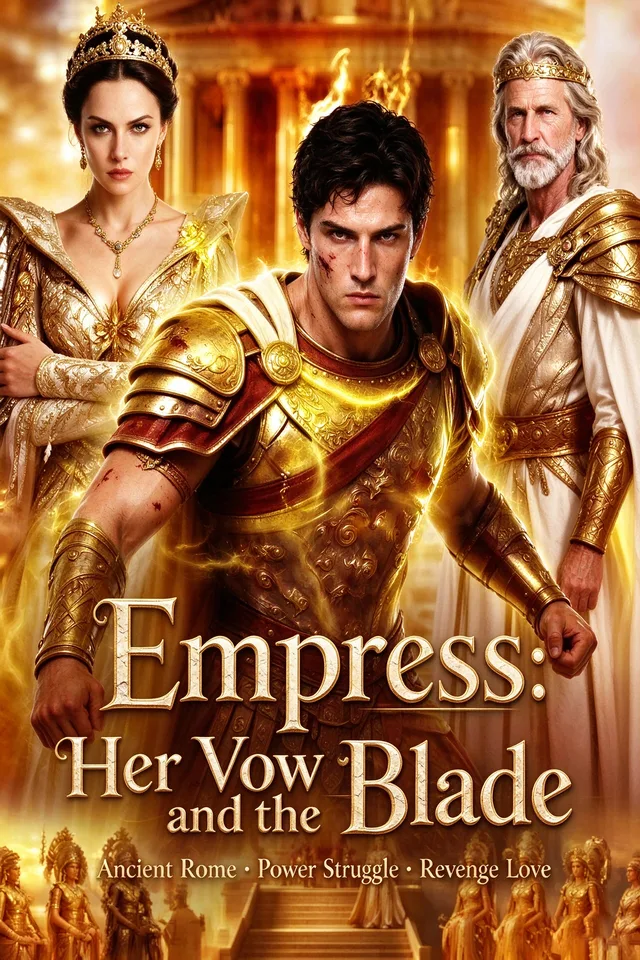
A barren empress casts a divine child into the mortal world, never guessing he was made from her own blood.
Playback happens in YourChannel's official player, in the browser. We link to nothing else.
The premise is a Greek-mythology family drama built on one dramatic error. Hera has been barren for a thousand years. Zeus secretly creates Artemion from Hera's own blood; Hera, reading the child as a bastard from some other goddess, casts him down into the mortal world to suffer. The tragedy is that she has condemned her own child, made from her own blood, and the show's engine is the slow distance between what Hera knows and what the audience knows.
The series runs 41 episodes in English on YourChannel. The opening stretch covered by this page stays inside the casting down, Artemion's struggle in the mortal world and the Athena-enforced silence. The later episodes move into the ten-day countdown to the Awakening Trial and the divine mark that will reveal the real mother, which this page deliberately leaves to the show.
Artemion is the active protagonist inside that asymmetry. Cast down into the mortal world, he keeps fighting to find his mother — not knowing that the mother in question is the empress who condemned him. Zeus, who knows the truth, is silenced by Athena, who argues that divine order depends on the secret staying buried. The show turns a mythological pantheon into a custody and succession dispute.
Series facts checked against the YourChannel listing. Notes cover the opening episodes only; nothing here reveals the ending.
Hera, Artemion and Zeus carry the opening arc.

Barren for a thousand years, she grows jealous and mistakes Artemion — secretly created from her own blood by Zeus — for a bastard. She casts him into the mortal world to suffer, never knowing the child she has condemned is her own.

Created from Hera's own blood by Zeus, but mistaken for a bastard by Hera and cast down to suffer. On earth, he keeps fighting to find his mother, unaware that the empress who condemned him is the one he is looking for.
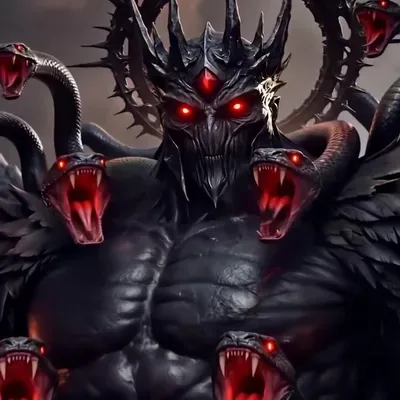
The god who secretly created Artemion from Hera's blood. When the truth is about to surface, Athena forces him to stay silent in order to protect divine order — the one person who could end the drama is made unable to speak.
Four editorial picks from the casting down, the mortal-world struggle and the enforced silence. No ending spoilers.
Hera's jealousy is not arbitrary; it is the product of a thousand years of being barren. The show opens by establishing why she would read a strange divine child as a threat rather than as a gift.
Zeus has secretly created Artemion from Hera's own blood. The audience knows it; Hera does not. That asymmetry is the engine of the opening arc.
Hera casts Artemion into the mortal world. On earth, he keeps fighting to find his mother — the mother who has just condemned him.
When the truth is about to surface, Athena forces Zeus to stay silent in order to protect divine order. The one god who could end the drama is made unable to speak, and the countdown to the Awakening Trial begins.
Captured from the opening episodes — not promotional art.


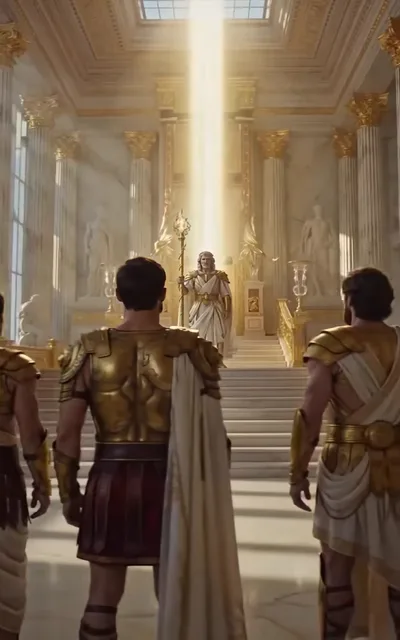
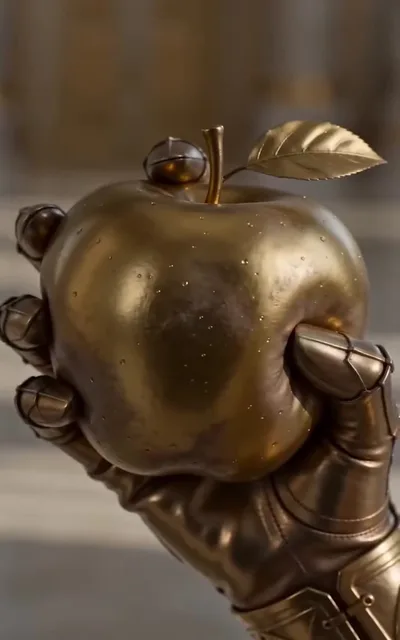
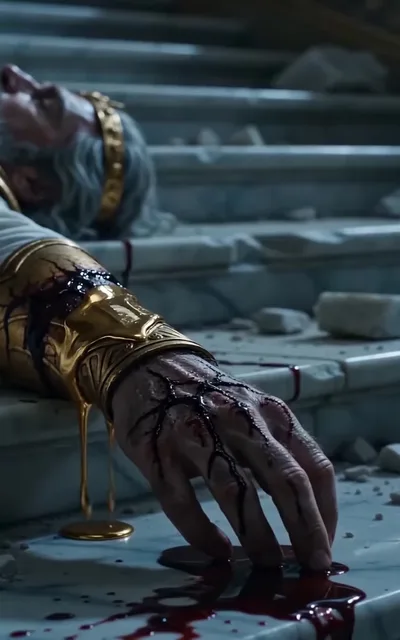
Written from the opening arc. These are editorial impressions, not audience scores.
The show's cleanest trick is dramatic irony: the audience knows Artemion is made from Hera's own blood, and watches her condemn him anyway. The thousand-year barrenness backstory is what keeps Hera sympathetic rather than simply cruel.
Athena forcing Zeus to stay silent is the structural move that keeps the drama running. The mythological pantheon is being used as a court of order, where the truth has a cost and the people who know it are not at liberty to speak.
Best for viewers who like Greek-mythology fantasy built on family secrets, dramatic irony and a countdown trial, rather than on sword-and-sandal action. If you want a straightforward gods-vs-titans battle, the show's opening stretch is built around the casting down, the mortal-world struggle and the enforced silence of the one god who could explain everything.
More family shorts, or browse the whole shelf.