Episode 1
Waking in 2012
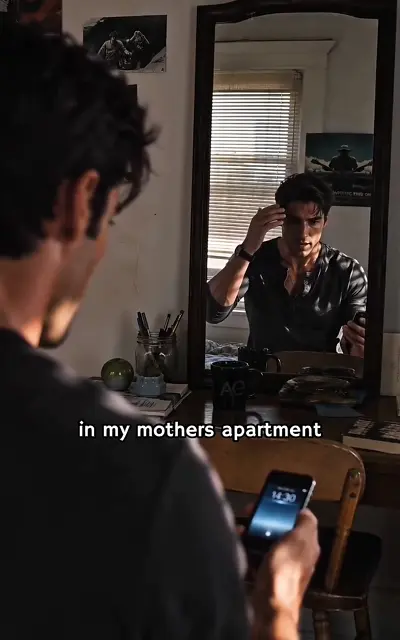
The older Noah checks the flat pillow, the soft mattress, and the Chicago apartment; he has no cash and no valid ID, and the central paradox — where the younger self went — frames the whole setup.
 ep 01
Boys' Love · 32 episodes · YourChannel
A thirty-year-old Noah wakes in 2012 inside his teenage bedroom and meets his eighteen-year-old self; he poses as a distant cousin, and the teen falls for the older version he cannot name.
Playback happens in YourChannel's official player, in the browser. We link to nothing else.
Episode one is the disorientation beat: the older Noah maps the unfamiliar bed, the mother's apartment, the year 2012, and the missing younger self, then confronts the unknown person in the room and asks for a reasonable explanation before the cousin cover story takes shape.
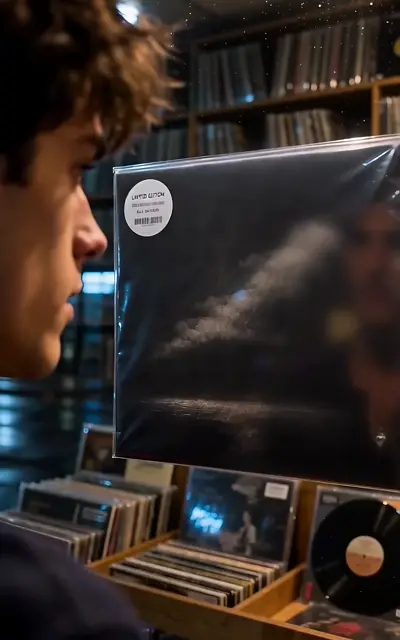
Episode six narrows to small domestic scenes: a limited pressing music record whose sticker count disagrees with the actual run, a question about an ended romance in Seattle, and the two men on a night street, keeping the emotional thread on quiet comparison rather than a public declaration.
Episode three covers the living arrangement. The teen objects to a long-lost relative staying in the living room, jokes about the worst possible roommate explanation, and finally agrees on the condition of dramatic teasing; the older Noah reflects that his younger self really was a dramatic teenager.
Series facts checked against the YourChannel listing. Notes cover the opening episodes only; nothing here reveals the ending.
Noah, Age Thirty and Noah, Age Eighteen carry the opening arc.

Mature, careful, and tired, he knows the timeline cannot hold, yet he stays in the apartment to watch over his younger self. His lines mix panic about the missing ID with calm caretaking, and he frames the cousin identity to keep the teen from asking the impossible question.
“"If I'm here in my 30-year-old body in 2012, then where's the 18-year-old me?" — episode 1”

Sensitive and defensive at home, he distrusts the cousin arrangement, makes dramatic roommate jokes, and gradually lets the older Noah into school and music-listening moments. His attraction builds on the older man's patience, and the identity paradox remains hidden from him.
“"Serial killers usually don't announce they're serial killers." — episode 3”
The opening arc moves from the 2012 bedroom disorientation, to the cousin living arrangement, to the record-store and night-street quiet beats. Four editorial picks from episodes 1–6 — no ending spoilers.
The older Noah checks the flat pillow, the soft mattress, and the Chicago apartment; he has no cash and no valid ID, and the central paradox — where the younger self went — frames the whole setup.
He finds an unknown person inside his teenage bedroom, demands an explanation, and sets up the cousin cover before either version can name the real connection.
The teen objects to a rarely contacted relative staying over, argues the worst-case roommate theory, and finally agrees with a dramatic threat to haunt the household if things go wrong.
The two compare the actual pressing run of a limited record against its sticker, touch on a finished Seattle romance, and stand on a night street in the quieter, comparison-driven middle of the arc.
Captured from the opening episodes — not promotional art.




Written from the opening arc. These are editorial impressions, not audience scores.
"The setup earns its time-travel premise through small physical details — the wrong pillow, the mother's apartment, the missing ID — instead of exposition dumps, which lets the identity paradox carry the early scenes."
"The roommate banter and record-store talk keep the attraction under the surface; the show chooses quiet comparison beats over grand declarations, fitting a story where the younger half does not know the truth."
Best for viewers who like boys' romance with a time-travel self-meets-self hook, domestic campus scenes, and restrained emotion; if you want instant confession and clear couple status, the early episodes stay on concealment and teasing. Compared with most BL campus shorts, this one builds tension from two versions of the same person sharing one apartment — that focus is both its strength and its limit.
More boys' love shorts, or browse the whole shelf.