Episode 1
The Princess in the Hall
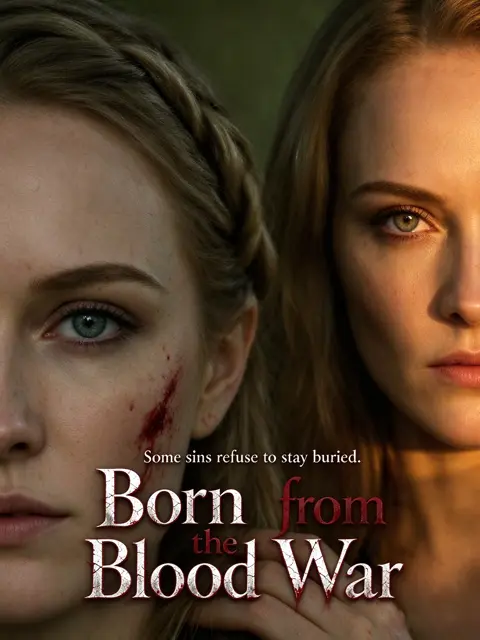
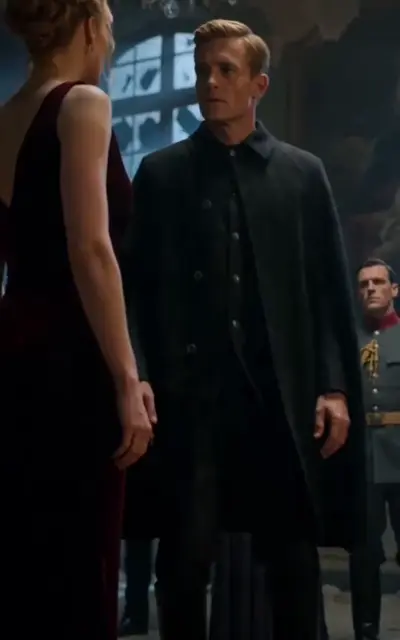
Mistaken for a fairy-tale figure, the princess refuses the soft treatment and walks into a hall where a predator's threat and a rare offering set the war's tension in motion.
 ep 01
Revenge · 44 episodes · YourChannel
Her family was destroyed by a blood war; reborn on the throne, she must defend the kingdom without unleashing the mutant army her generals demand.
Playback happens in YourChannel's official player, in the browser. We link to nothing else.
Episode one sets the tone inside the palace hall: a princess who has been mistaken for a fairy-tale figure refuses the soft treatment offered to her, and a court presentation of a rare offering turns into a confrontation between a predator's confidence and the princess's fear. The northern realm calls its master back, and an interrupted feast makes clear the court sits inside an active war zone.
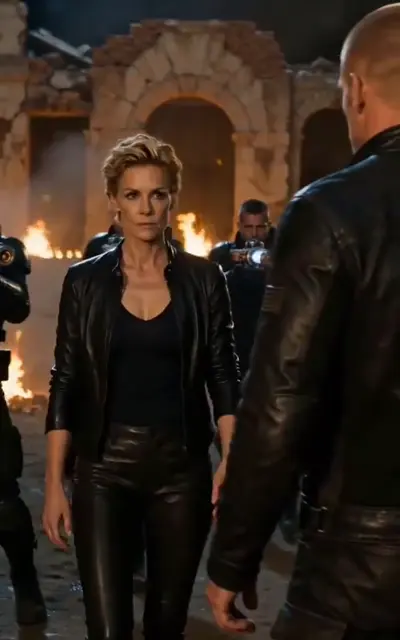
Episode six moves the fight out of the hall into the ruins. Even weakened, she faces the people surrounding her with weapons drawn; one of her own begs her not to be hurt, and a serum injection is administered on the spot. The glowing-eyed survivor on the other side shows what the war's experiments have already produced.
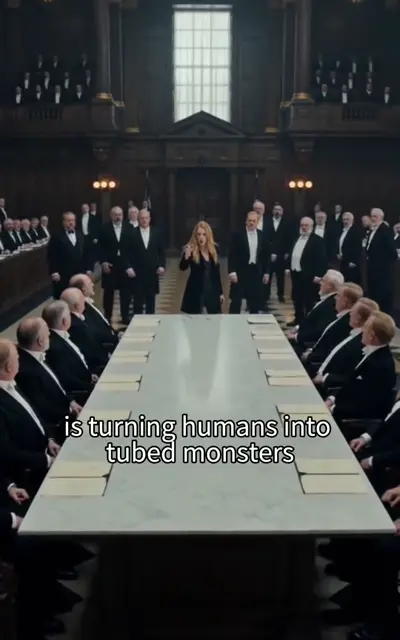
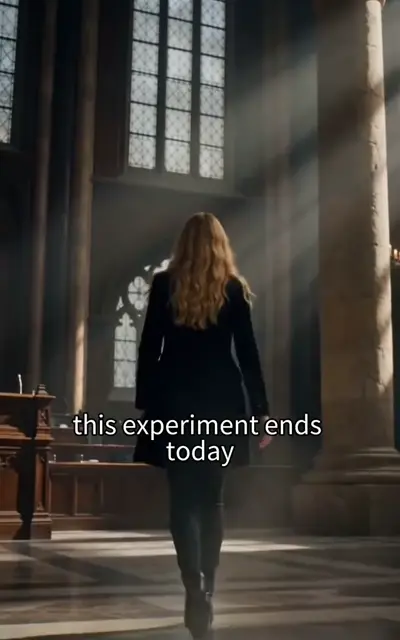
Episode three is the council debate that splits the court. Emperor Alaric's gas-army marches on the borders, and the generals propose the sleeper mutants as the only countermeasure, pressing her to sign a Total War decree. She rejects the human experiments outright, saying she would rather burn the palace to ash than rely on such an abomination, and orders the experiment ended that day. A court member who once shared her faith, Claire, sides with the military, and a dissenter warns her crown will fall soon.
Series facts checked against the YourChannel listing. Notes cover the opening episodes only; nothing here reveals the ending.
The Princess and The General carry the opening arc.

She inherited the throne after the blood war destroyed her family, and she carries the memory of that war into every court decision. When her generals push the sleeper-mutant program to defend the border, she bans the experiment and stands on her own moral line against the military pressure.
“"I would rather burn you and this palace to ash than rely on such abomination." — episode 3”

He speaks for the army facing Emperor Alaric's advance, and he argues the sleeper mutants are the only countermeasure left. He presses the princess to sign the war decree and survives the palace split once the crown sides against the experiment.
The opening arc moves from the palace feast confrontation, to the border invasion report, to the council split over the mutant program, to the serum scene in the ruins. Five editorial picks from episodes 1–6 — no ending spoilers.
Mistaken for a fairy-tale figure, the princess refuses the soft treatment and walks into a hall where a predator's threat and a rare offering set the war's tension in motion.
Emperor Alaric's gas-army marches on the kingdom's borders, and the court reports the sleeper mutants are the only countermeasure left to stop it.
The generals press the princess to sign the decree that activates the mutant program, arguing survival itself depends on it.
She bans the mutant experiment in front of the whole council, rejects the abomination as a defense, and loses Claire, who sides with the military. A dissenter answers that her crown will fall soon.
Surrounded and weakened, she faces weapons drawn; a serum injection is administered in the field, and a glowing-eyed survivor shows what the war's experiments have already made.
Captured from the opening episodes — not promotional art.


Written from the opening arc. These are editorial impressions, not audience scores.
"The council debate is the show's clearest moral hinge: the generals frame the mutant program as survival, and the princess frames it as an abomination. The conflict stays inside that one choice instead of spreading into a vague fantasy battlefield."
"The worldbuilding arrives through concrete props — the feast, the war projection, the serum injection, the glowing-eyed survivor. The show builds its blood-war stakes visually rather than through long exposition about the past conflict."
Best for viewers who like royal fantasy war dramas with a throne debate and a morally refused weapon program; if you want a fast battlefield romance, the opening episodes stay on court pressure and betrayal. Compared with most fantasy shorts, this one anchors the conflict in a single council decision rather than a prophecy romance — that focus is both its strength and its limit.
More revenge shorts, or browse the whole shelf.